In Control
Expense tracker and budget planner
A personal finance app that keeps your data on your phone. Accounts, budgets, recurring transactions and statistics, with an encrypted backup, behind a passcode or fingerprint.
- 235
- commits
- 197
- Kotlin files
- 28k
- lines of Kotlin
- v1.2
- on Google Play
The idea
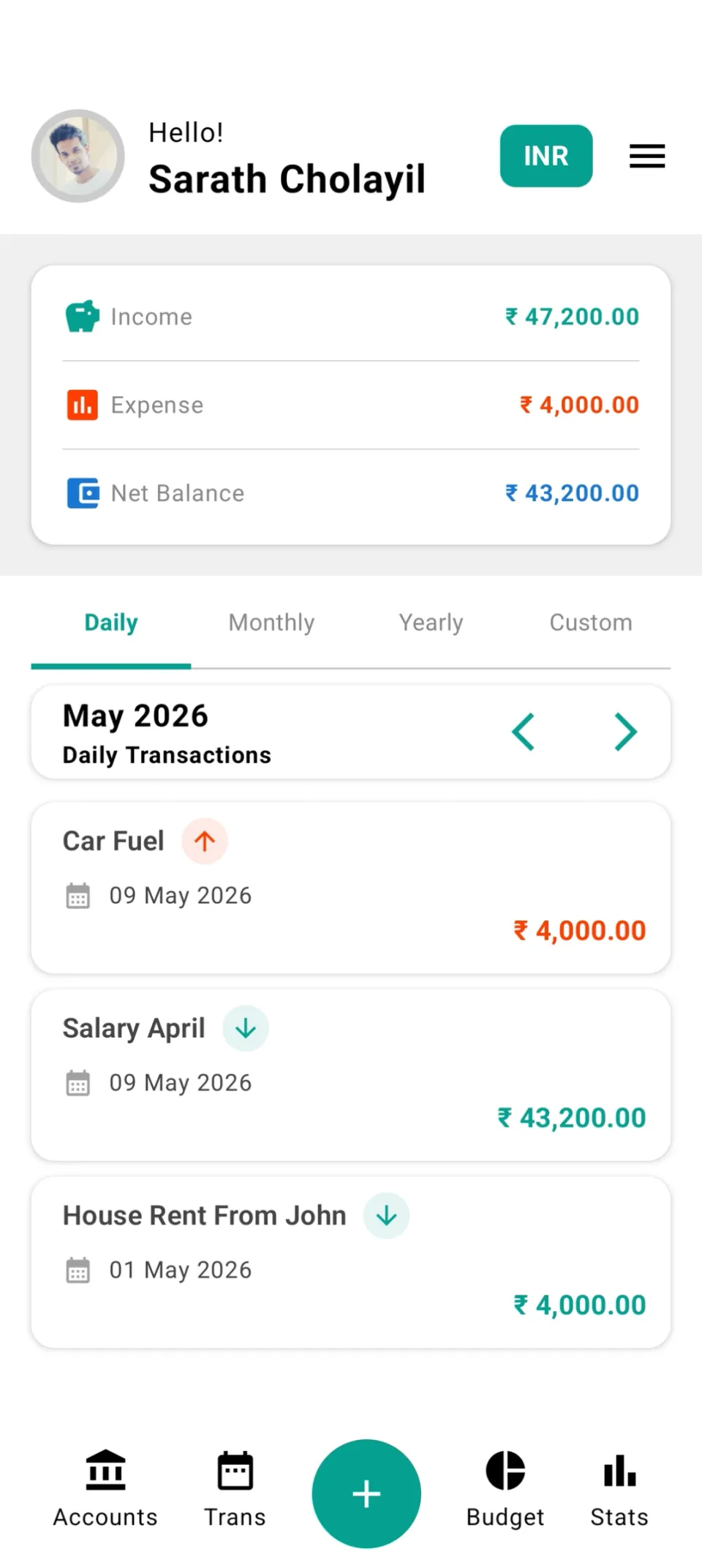
Most expense apps want your data on their servers. In Control keeps it on the phone, locked behind a passcode or a fingerprint, and still does what a finance app should: accounts, budgets, recurring entries, statistics and a backup you control.
It is Reubro's own product and my longest build so far: 235 commits over eleven months, from the first screen to the second Play Store update.
What I built
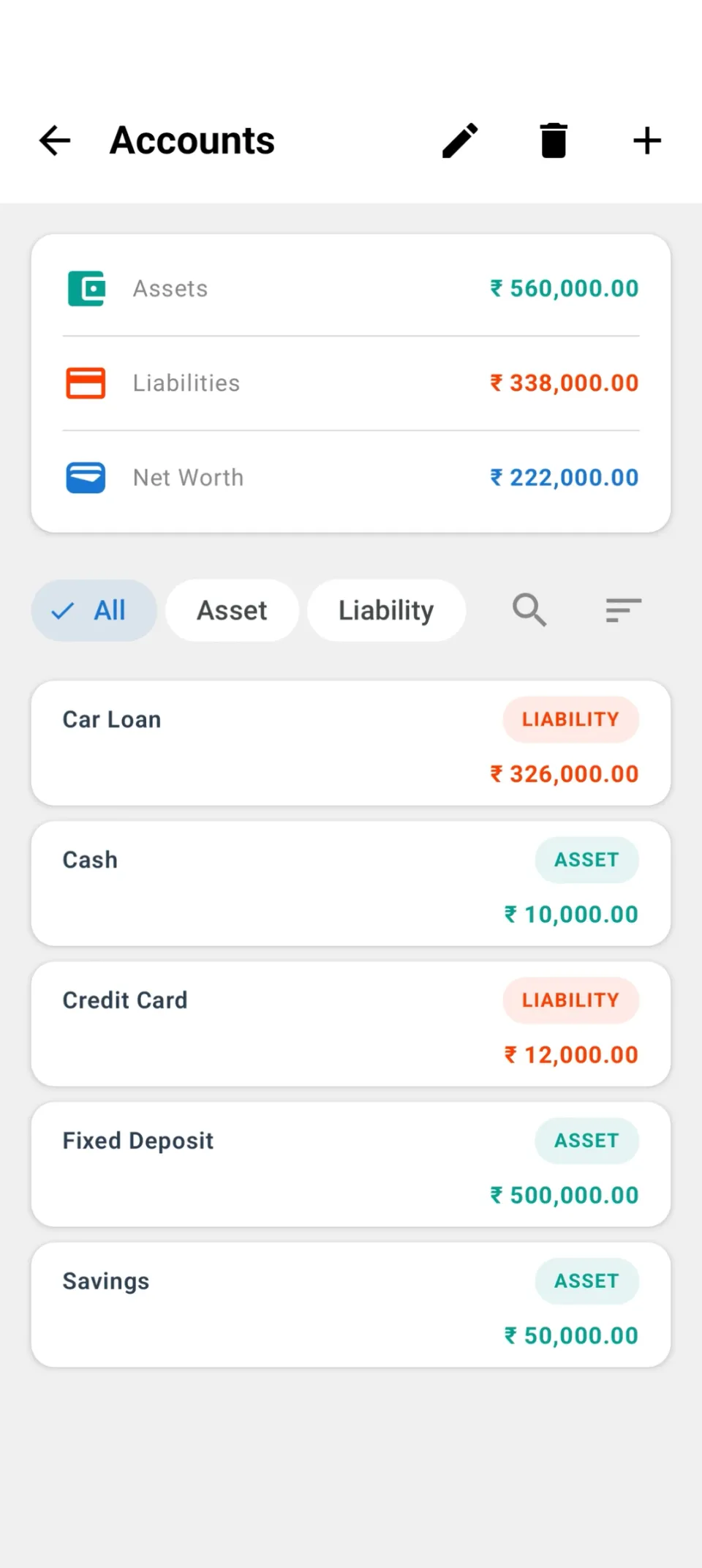
- Accounts that add up. Assets and liabilities, income, expenses and transfers between accounts. I spent seven years in a bank, so the balances follow real accounting rules, and I corrected the model early on when they did not.
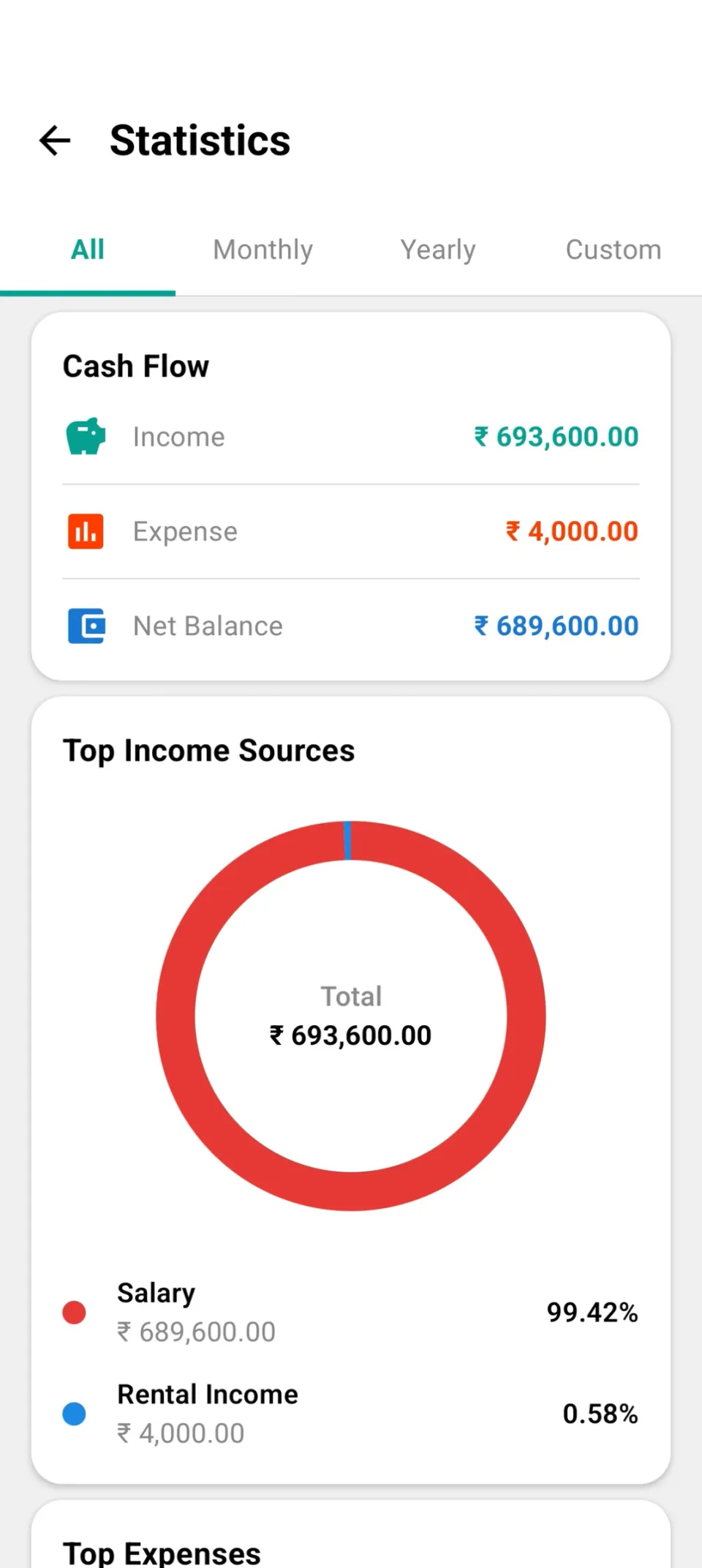
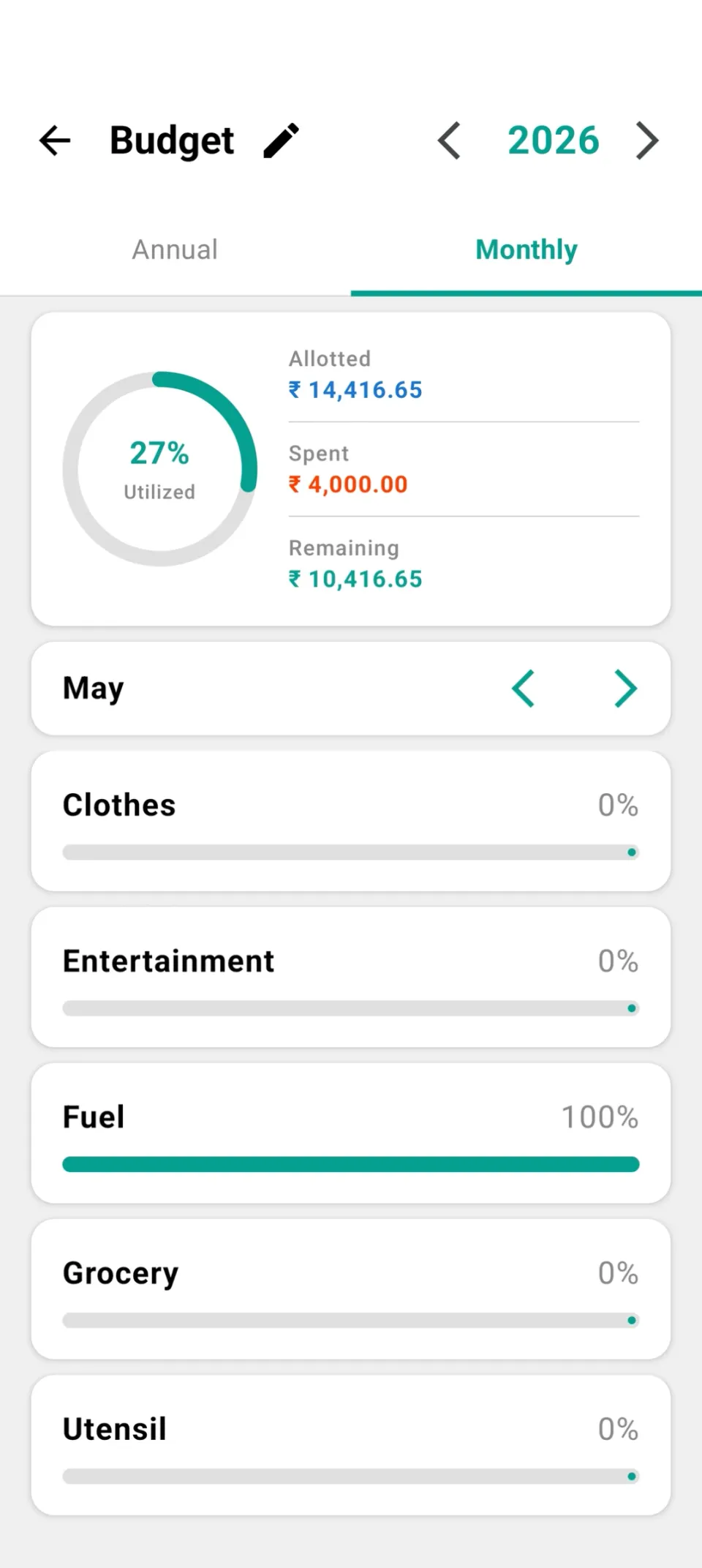
- Budgets and statistics. Budgets by category, top expenses, and charts that show where the money went.
- Recurring transactions and templates. Rent and salary enter themselves. WorkManager schedules them, so they arrive even when the app has not been opened.
- Security in layers. Sign-in with email or Google, an app passcode, fingerprint unlock and security questions, each with a way back if you forget.
- Encrypted backup. Backup and restore are protected by a recovery phrase that only the user holds.
- More than one currency. Amounts are formatted correctly for the currency you choose.
How it is put together
Clean Architecture in three layers. Screens in Jetpack Compose talk to ViewModels. ViewModels call use cases. Use cases depend on repository interfaces, and Room sits behind those. Hilt wires it together.
The split earned its keep when the accounting rules changed: the fix stayed inside the domain layer and the screens did not move.
Result
Version 1.2 is on Google Play.